

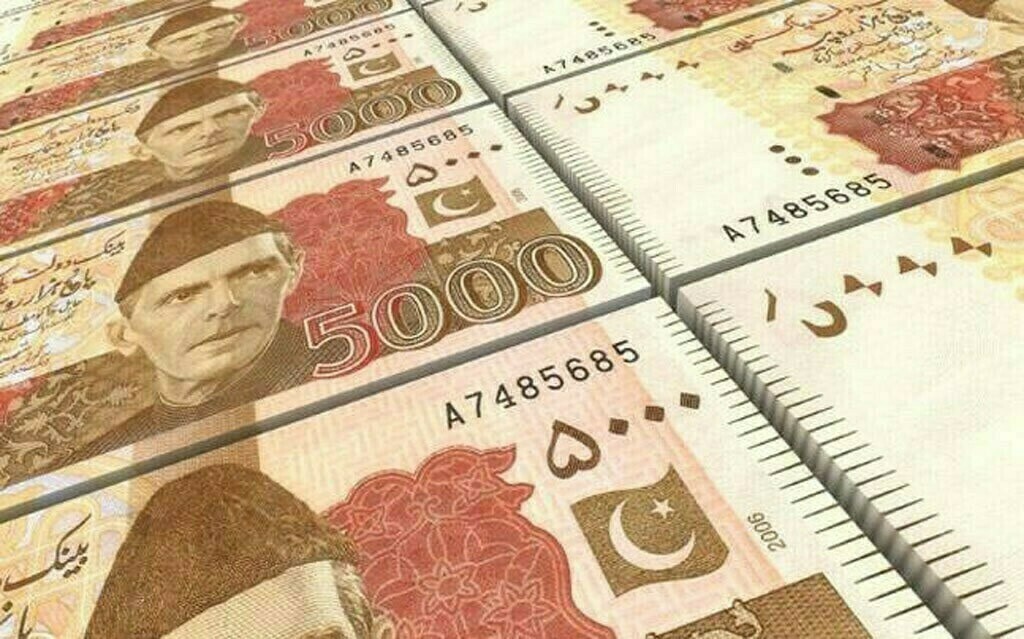

The State Bank of Pakistan (SBP) has injected a record high Rs14.3 trillion in conventional commercial and Shariah-compliant banks for one week to help overcome the shortage of liquidity in the system after people withdrew significant cash during Eid-ul-Adha and external inflows delayed, it was learnt on Friday.
The volume of the injection through open market operations (OMO) comes to almost 44% of the total deposits standing at Rs32.7 trillion in May 2025, according to the central bank latest data.
SBP injects massive Rs11.85 trillion into banking system for up to 14 days
Citing SBP Governor Jameel Ahmad from an analysts briefing held after the issuance of the latest monetary policy at the outset this week, Arif Habib Limited (AHL) and Topline Research said the OMO stock had increased mainly due to two reasons, including higher currency in circulation during Eid (temporary effect) and delays in external inflows.
“However, OMO levels are expected to decline in the coming weeks as (external) inflows materialise,” AHL reported Ahmad saying this.
AHL’s Sana Tawfiq and AKD Securities’ Awais Ashraf said the cumulative supply of over Rs14 trillion to banks through OMO were record high injections.
Elaborating SBP Governor Ahmad’s reasoning for the elevated OMO stocks, Tawfiq said people withdrew huge cash from banks during Eid that reduced deposits levels and created additional demand for liquidity in the system.
Besides, the reliance of the government on domestic debt has spiked after external inflows from multilateral creditors like the International Monetary Fund (IMF), World Bank, and Asian Development Bank (ADB) got delayed.
She added the government reliance on domestic debt, including the one from commercial banks, had been on the rise, as the collection of revenue in taxes had remained low compared to government expenditure.
The low tax collection was increasing fiscal deficit, which is being met through piling up debt.
Ashraf said the external inflows had remained low for the past two to three years, shifting the government reliance solely on domestic debt to finance budget deficit.
Pakistan salaried class rejects govt’s claim of giving relief in income tax
He said commercial bank financing and national saving schemes had remained two rich avenues available with the government to raise new debt. Out of total Rs31.8 trillion the domestic debt, the share of bank loans had stood at Rs28.1 trillion at present, he added.
SBP OMO breakup
The breakup of the data suggest the SBP injected Rs13.9 trillion into conventional commercial banks at the rate of return of 11.03% for a period of seven days, as it accepted all the 34 quotes received from banks for the loan.
The central bank supplied another Rs375 billion to Shariah compliant banks at the rate of return of 11.11% for seven days, accepting all the three quotes received from Islamic banks.


























Comments
Comments are closed for this article.