

Asian stocks set for record-breaking quarter; dollar sinks gold and yen
- Japan's Nikkei, which was steady in early trade, is set for a record rise of more than 36% for the quarter
Asian stocks saw a mixed end to a strong quarter, with some markets hitting record highs while the dollar surged to a four-decade high against the yen, prompting intervention warnings.
- Record quarterly gains in key Asian stock markets.
- The dollar's surge and the yen's four-decade low.
- Investor rebalancing and profit-taking in tech-heavy markets.
- Global economic outlook and interest rate expectations.
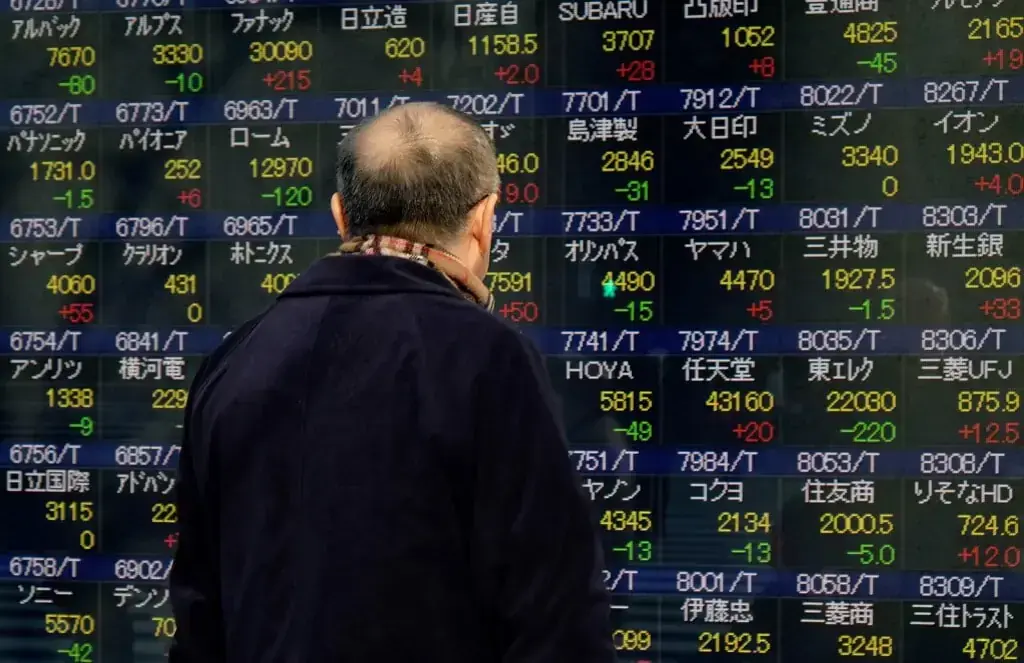
SINGAPORE: Asian stocks wobbled toward the end of a sparkling quarter on Tuesday, while a resurgent dollar pushed the yen to a four-decade low and was headed for a fourth straight quarterly rise.
Japan’s Nikkei, which was steady in early trade, is set for a record rise of more than 36% for the quarter. South Korea’s chipmaker-driven KOSPI slipped 1%, though it was set for an eye-popping second-quarter rise of nearly 65% having more than doubled year-to-date.
The oil market’s worries about war have receded into memory with benchmark Brent crude futures at pre-war prices of $72.49 a barrel, even though the interim ceasefire is strained.
“Now that we have oil prices down, it’s reinforcing our view of more trend-like growth around the world relative to sub-trend that we were thinking about a couple of months ago, and feeding into the better earnings story as well,” said Kerry Craig, strategist at J.P. Morgan Asset Management in Melbourne.
Wall Street indexes rose overnight and futures were flat in the Asia morning. The dollar eyed a quarterly rise thanks to a remarkable re-pricing of the U.S. interest rate outlook which has flipped from cuts to hikes on U.S. economic strength and inflationary pressures.
The dollar’s rise has driven gold to its largest quarterly fall in more than a decade while the yen touched a four-decade trough of 162.41 per dollar in Asia trade, setting traders on edge about possible Japanese intervention.
Japan’s Finance Minister Satsuki Katayama said authorities stood ready to respond appropriately at any time.
The dollar index is up 1.3% this quarter, though this week the euro regained the $1.14 chart level and the next moves are likely to be driven by U.S. jobs data, due on Thursday owing to Friday being a holiday, and a Wednesday appearance by Federal Reserve Chair Kevin Warsh.
Chinese manufacturing expanded in June thanks to high-tech exports, figures on Tuesday showed, while European inflation and U.S. consumer confidence and job openings highlight the data schedule ahead in the session.
Selling the record rally
Around Asia, Taiwan’s benchmark is set for a more than 40% rise this quarter while other regions cannot quite keep pace with the semiconductor-led markets.
Hong Kong’s Hang Seng has been a noticeable laggard as it limped — mostly flat on Tuesday — to a 7.5% quarterly drop.
The behaviour of big investors through the record quarter has been unusual, with the surging index weighting of Asia’s big chipmakers driving foreigners to sell all the way up as they rebalance portfolios and worry about diversification.
A net $17.3 billion has left South Korean equities in the year so far, according to BNY.
“That gap between returns and flows fits a broader pattern across Asia’s tech-heavy markets: strong performance is triggering rebalancing and profit-taking, not fresh institutional buying,” said BNY macro strategist Geoff Yu.
Solid gains for Europe’s STOXX index, set to notch a 9% rise for the quarter, and China’s mainland blue-chip CSI300, up about 10% this quarter, are catching investors’ attention.
“Some of the concerns that investors have around how much tech exposure they have … (has them) looking for other themes — whether that’s defence, renewables, and how they think about building more robust diversification in their portfolio,” said J.P. Morgan Asset Management’s Craig.























Comments