

Yuan set for biggest daily drop in 6 months after PBOC raises FX RRR
- The move would effectively tighten dollar liquidity and slow the pace of yuan gains
China's central bank raised the foreign exchange reserve requirement ratio, causing the yuan to weaken significantly. This move aims to curb the currency's rapid appreciation, which was impacting exports.
- Reasons for the yuan's rapid appreciation.
- Impact of the PBOC's RRR hike on dollar liquidity.
- Seasonal factors influencing yuan strength.
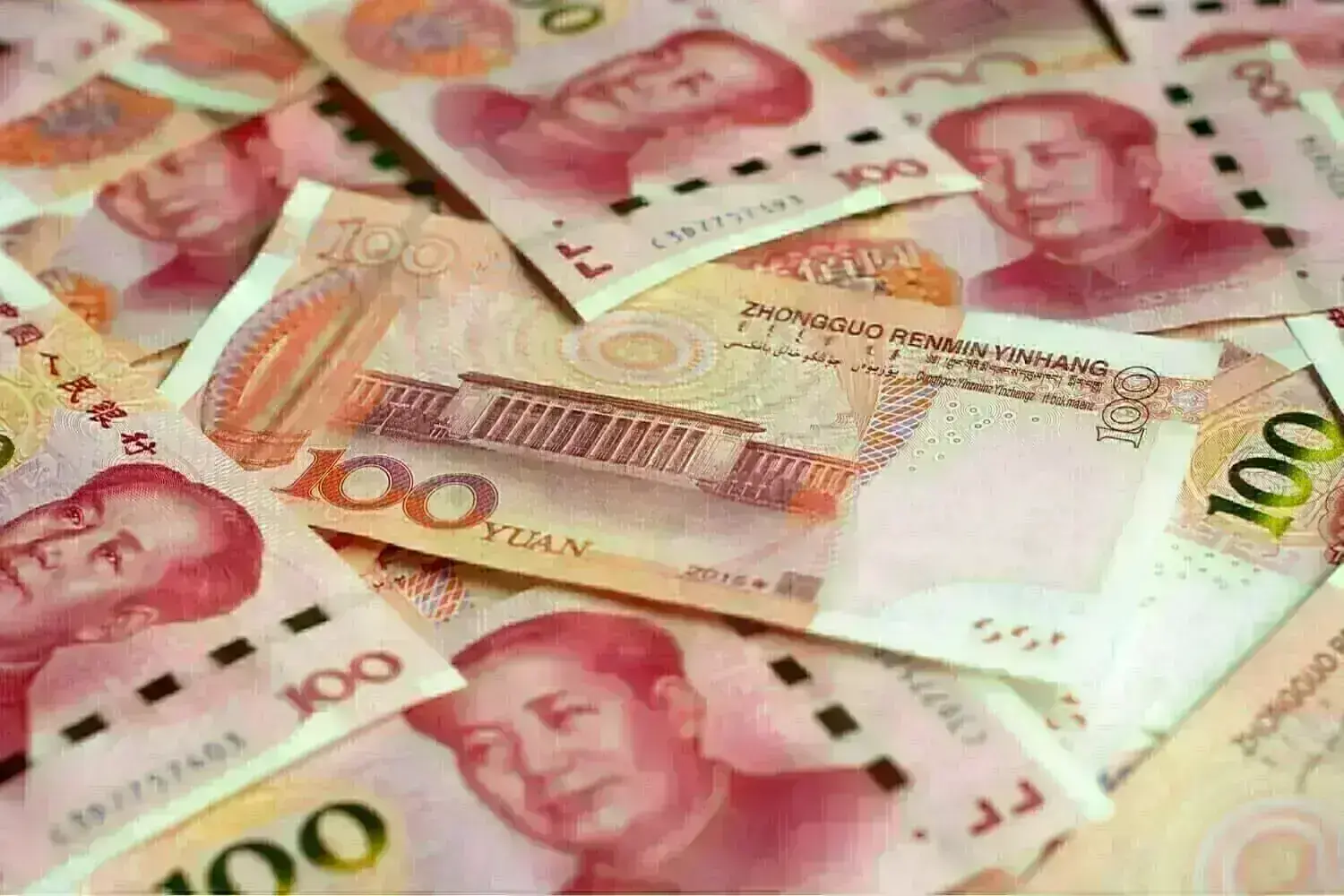
SHANGHAI: China’s yuan weakened and looked set for the biggest one-day drop against the dollar in six months on Tuesday, after the central bank said it would raise the amount of foreign currency that financial institutions must set aside as reserves.
In a statement on Tuesday, the People’s Bank of China (PBOC) said it would raise the foreign exchange reserve requirement ratio (RRR) by 2 percentage points to 6% from 4%, effective on November 15.
The move would effectively tighten dollar liquidity and slow the pace of yuan gains, traders and analysts said.
“The PBOC sent a clear message to the market that they are concerned about the fast appreciation of yuan in October,” said Zhiwei Zhang, chief economist at Pinpoint Asset Management.
“China’s economy heavily depends on exports. A moderate appreciation may be tolerated, but the speed in October likely raised concerns in the policy circle.”
The yuan gained 0.74% against the dollar in October, bringing the year-to-date rise to about 5%, underpinned by robust exports, trade surpluses and persistent corporate conversion into yuan.
After the announcement, the onshore yuan fell to a low of 6.6728 per dollar, the weakest level since October 23, before changing hands at 6.6702 at 0253 GMT.
If the yuan retains all its losses by the late-night close, it would have lost 0.33% against the dollar for the day, the worst daily percentage drop since May 15.
Its offshore counterpart followed the weakening trend and last fetched 6.6677 yuan per dollar, down about 0.29% in Asian trading.
The move also came ahead of a seasonal factor that was expected to lend the yuan more support, currency traders said.
Chinese exporters typically convert a larger share of their FX earnings into yuan toward the end of the year and ahead of the Lunar New Year, driven by accounting and administrative requirements, as well as seasonal demand for cash to fund bonus payments and holiday-related expenses. Such an influx of FX conversions usually leads to a rise in the yuan in December and January.
Prior to market opening on Tuesday, the PBOC lowered its midpoint rate for a second day in a row to 6.7150 per dollar, 661 pips weaker than a Reuters estimate — its largest weak-side deviation since September 10.
The central bank has been gradually strengthening its daily yuan official guidance this year, but at levels weaker than market expectations, suggesting it is seeking to manage the pace of appreciation, market watchers said.
In global markets, the dollar wavered alongside oil prices on Tuesday on hopes for a diplomatic breakthrough between the US and Iran.‑Reuters


















Comments