

Kiwi in brief skid after weak jobs data, Aussie pressured by dovish RBA turn
- The kiwi dollar fell to $0.5581 after shedding nearly 0.6% overnight
The New Zealand dollar fell on weak jobs data, dampening rate hike bets, while the Australian dollar also declined after a dovish central bank stance signaled peak interest rates.
- New Zealand's rising jobless rate and its impact on RBNZ policy.
- Australia's central bank signals peak interest rates, influencing market expectations.
- Market predictions for future rate cuts in Australia.
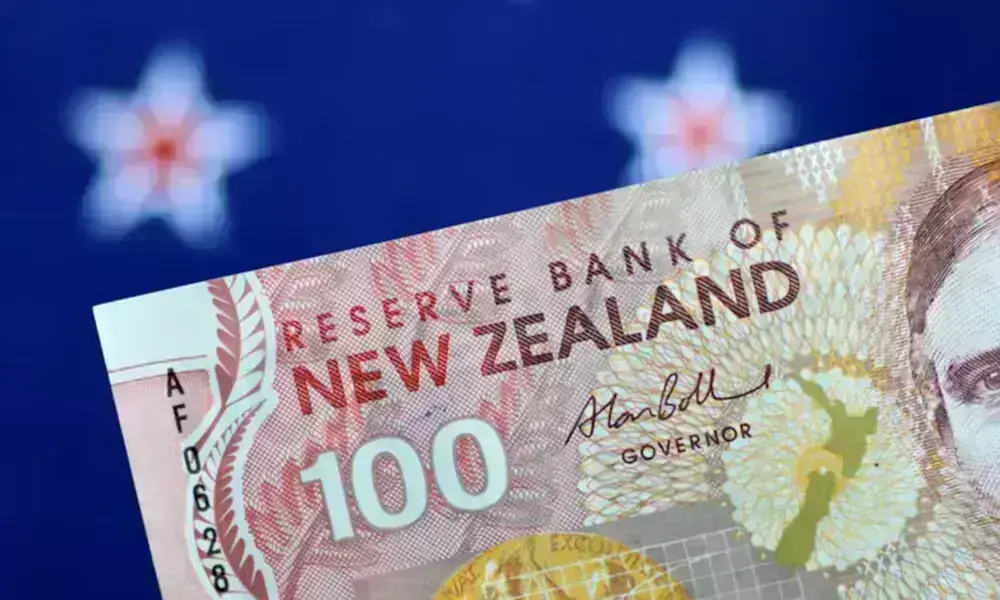
SYDNEY: The New Zealand dollar hit a three-week low on Wednesday as weak jobs data dented market wagers on a rate rise next month, while the Aussie nursed losses after a dovish turn by its central bank boosted bets that interest rates had peaked.
All eyes are on the outcome of the US midterm elections.
Most polls and nonpartisan analysts expect Democrats to wrest the House of Representatives from Republicans while control of the Senate remains uncertain.
The kiwi dollar fell to $0.5581 after shedding nearly 0.6% overnight, but then rebounded to be up 0.4% at $0.5612 as investors sold the US dollar in anticipation of a potentially strong showing by Democrats in the midterm elections.
Data showed that New Zealand’s jobless rate climbed to 5.7% in the third quarter, its highest since 2015, while employment unexpectedly fell, a result that vindicated a surprise policy hold from its central bank just last week.
Two-year swap rates slid 9 basis points to 3.7519%, the lowest in eight weeks.
Markets pared the chance of a rate rise from the Reserve Bank of New Zealand next month to 57% from nearly 80% before the data.
“We no longer expect further RBNZ tightening, following a materially weaker Q3 labour market report,” said analysts at Citi Australia in a note to clients, adding that the RBNZ would normally be cutting interest rates on data like this.
“Instead, the OCR is likely to remain at 2.75% for longer, wedged between the need to guard against external supply shocks and the long-tail of domestic economic malaise.”
The Aussie was 0.2% higher at $0.6977 after skidding 0.5% overnight as the US dollar retreated.
The currency has now breached its 7-day, 14-day and 21-day moving averages, turning technicals bearish and risking a retreat to $0.6895.
The Reserve Bank of Australia lifted its cash rate to an 18-year high on Tuesday in its fifth hike of the year, though a surprisingly narrow 6-3 vote and the drop of its tightening bias signalled a likely end to rapid-fire tightening.
Markets are quick to price in this peak in interest rates, with just 6 basis points of tightening priced in by early next year.
Rate cuts are also coming into view, with 23 basis points of easing expected by the end of next year.
“The risk of an additional hike has now reduced,” said George Tharenou, chief economist at UBS, adding that he expected the RBA to hold the cash rate at 4.85% for a sustained period until late 2027.
“Nonetheless, if the RBA do end up hiking again, we reiterate the more likely timing remains in Feb-27.”


















Comments