

China's yuan slips, looks set to snap five-week winning streak
- Its offshore counterpart traded at 6.6671 per dollar, down about 0.03% in Asian trade
China's yuan slipped against the dollar, ending a five-week winning streak, influenced by a weaker official midpoint and a stock market selloff, though year-end appreciation is still anticipated.
- Reasons for the yuan's recent slip against the dollar.
- The central bank's strategy to manage yuan appreciation.
- Seasonal factors and policy changes supporting year-end yuan gains.
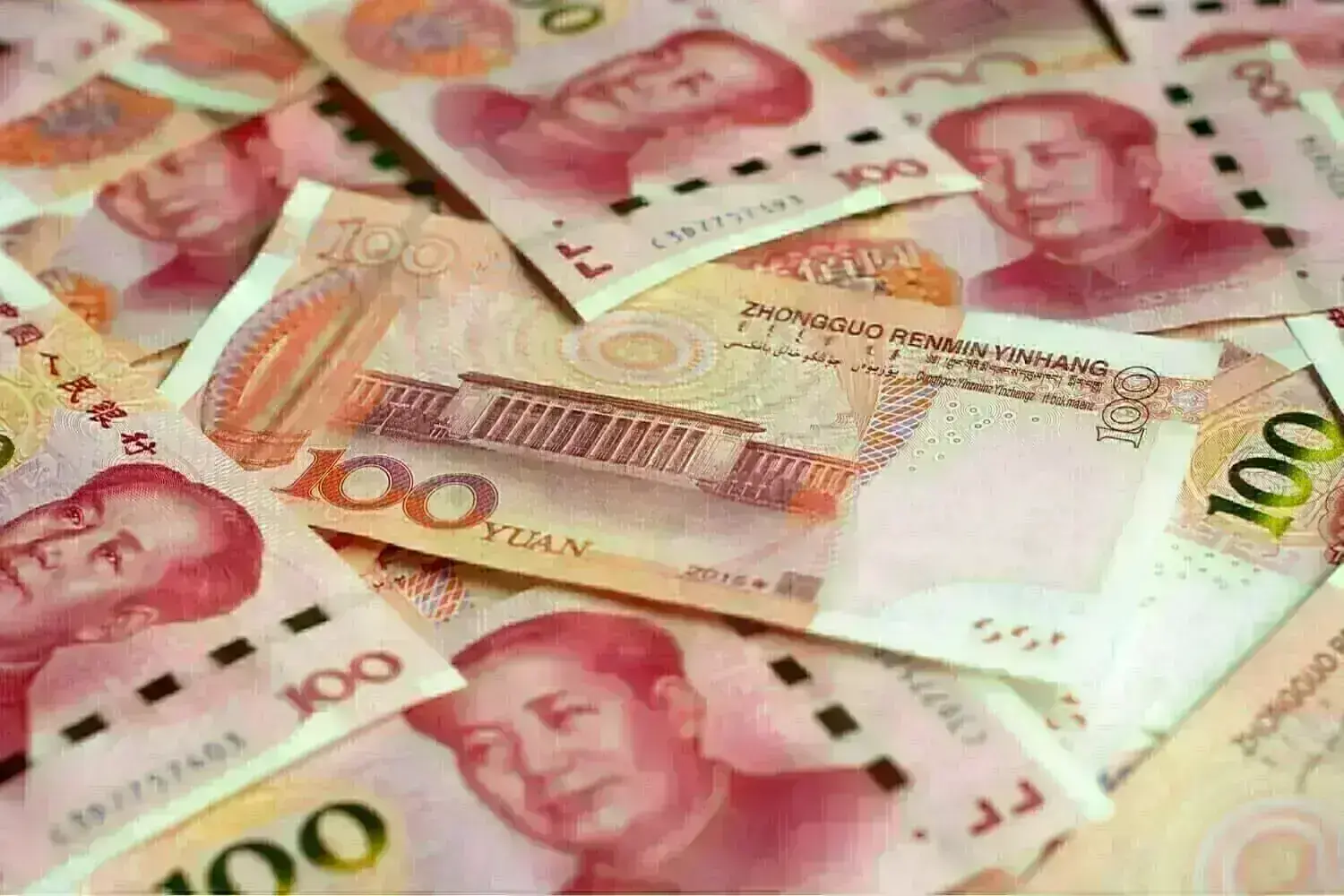
SHANGHAI: China’s yuan eased against the dollar on Friday and looked set to snap a five-week winning streak after a softer official midpoint guidance, while a selloff in equities further weighed on market sentiment.
Chinese stocks tumbled, mirroring a sharp overnight selloff on Wall Street after the tech-heavy Nasdaq posted its steepest one-day decline since the April 2025 “Liberation Day” rout.
Meanwhile, market participants continued to digest the central bank’s decision this week to raise the amount of foreign currency reserves that financial institutions must hold, a move that discouraged some investors from pushing the yuan to fresh highs, traders and analysts said.
“The renminbi looks closer to its peak,” said Kiyong Seong, Asia rates strategist at Societe Generale.
“The PBOC’s increasingly explicit resistance to one-sided appreciation supports our forecast for USD/CNY to bottom at 6.60 in the first quarter of 2027.”
The onshore yuan slipped to 6.6690 per dollar as of 0255 GMT.
If it holds those losses through the late-night close, it will have lost 0.2% against the dollar for the week, booking the first weekly drop in six.
Its offshore counterpart traded at 6.6671 per dollar, down about 0.03% in Asian trade.
Prior to the market opening, the People’s Bank of China set the midpoint rate at 6.7168 per dollar, 406 pips weaker than a Reuters estimate of 6.6762.
The spot yuan is allowed to trade a maximum of 2% either side of the fixed midpoint each day.
Despite the yuan’s pullback this week, some currency traders said seasonal factors could soon lend support to the currency through year-end.
Chinese exporters typically convert a larger share of their foreign exchange earnings into yuan toward the end of the year and ahead of the Lunar New Year, driven by accounting and administrative requirements, as well as seasonal demand for cash to fund bonus payments and holiday-related expenses.
The influx of conversions usually leads to a rise in the yuan in December and January.
“Some policy changes this year, including tighter oversight of outbound investment and overseas trusts, have also effectively constrained capital outflows at the margin, reinforcing this dynamic,” said Yu Song, chief China economist at UBS Securities.
“We therefore believe the appreciation cycle still has room to run and expect further RMB gains ahead.
The PBOC is likely to continue using the daily fixing and other policy tools to manage the pace of appreciation, even as external pressure for faster RMB appreciation may increase.“
Separately, markets will shift their attention to US non-farm payrolls data for fresh clues on the Federal Reserve’s policy outlook.























Comments