

Fertiliser under lock and key
Ministry of Interior restrictions on fertilizer supplies are severely impacting farmers' Rabi crops in Khyber Pakhtunkhwa and Balochistan, urging authorities to balance security with agricultural needs.
- Impact of fertilizer supply disruption on Rabi crops.
- Balancing security concerns with essential agricultural inputs.
- Proposed solutions for monitored fertilizer transport and distribution.
- Consequences of delayed access for farmers and food security.
- Critique of policy decisions made without stakeholder consultation.
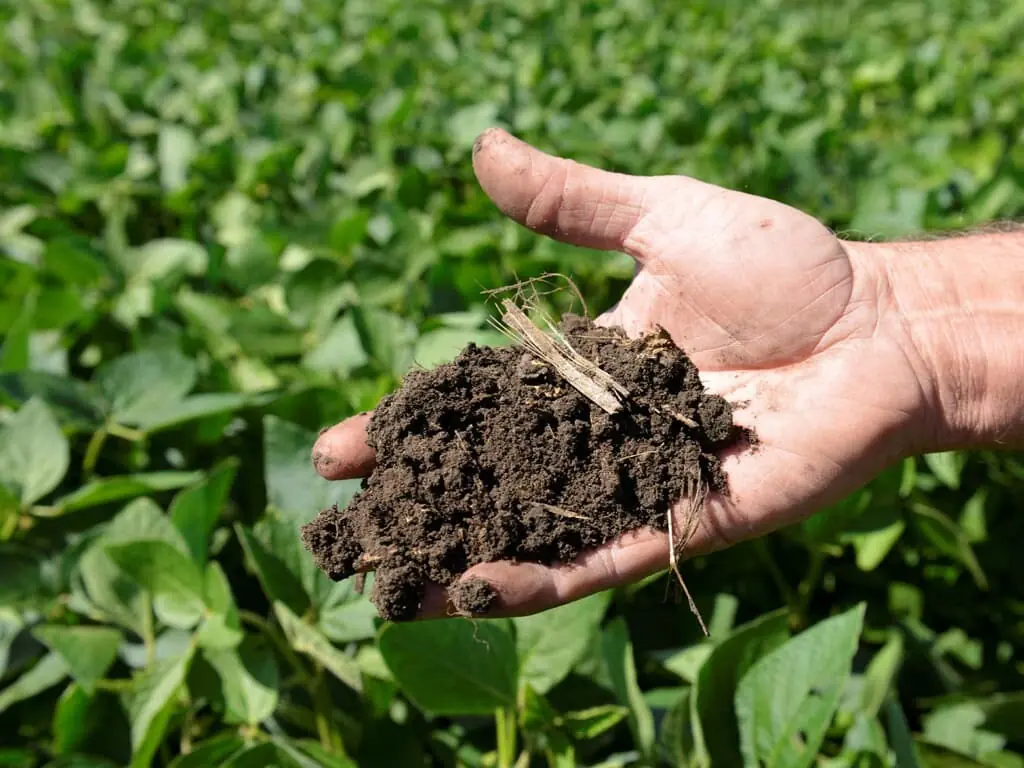
EDITORIAL: The reported disruption of fertiliser supplies to Khyber Pakhtunkhwa and Balochistan, following restrictions imposed under a Ministry of Interior notification, comes at precisely the wrong moment for farmers preparing their Rabi crops.
Companies are reportedly unable to dispatch an essential input during the sowing season, while the authorities appear to have left growers and suppliers waiting for a workable arrangement. For two provinces already bearing an extraordinary burden from insecurity, this is an unacceptable addition to an already formidable list of difficulties.
The security concerns behind the restrictions cannot simply be wished away. Unauthorised movement and possible diversion of fertiliser are matters for the authorities to address, particularly in areas facing persistent militant violence. But that is exactly why the decision demands a carefully designed system of controls rather than a disruption of legitimate commercial supplies.
Security agencies and civilian administrators are expected to manage competing priorities. If the response to a distribution risk is to impede distribution itself, one has to wonder what purpose the machinery of government is serving.
There is no obvious reason why the federal and provincial governments, fertiliser manufacturers, distributors, and farming representatives cannot sit together and agree on monitored transport arrangements.
Permits, verified destinations, documented consignments and checks along designated routes are among the options worth examining. Stakeholders have already proposed controlled dispatches and faster implementation of a Track and Trace System in Khyber Pakhtunkhwa, with interim permission subject to oversight. These proposals deserve prompt scrutiny and, where feasible, implementation.
The authorities should explain any practical objections rather than allow an administrative impasse to become an agricultural crisis.
Timing makes the matter particularly serious. Farmers cannot postpone the agricultural calendar to accommodate bureaucratic deliberations.
Delayed access to fertiliser can upset sowing schedules, affect crop development and ultimately weaken yields. Any additional cost or uncertainty falls on growers who already have to contend with volatile input prices, constrained purchasing power and difficult operating conditions.
The consequences would extend beyond individual farms to rural employment, provincial agricultural output and the wider food supply. There is far too much at stake for official inaction to be treated as a routine procedural inconvenience.
The episode also reflects an unfortunate habit of making consequential policy decisions without first working through their effects with those expected to live with them. Had manufacturers, distributors, provincial officials and farmers been properly consulted before restrictions took effect, the problem of maintaining security while preserving legitimate supplies could have been addressed at the outset.
Instead, stakeholders are now seeking urgent consultations after the disruption has reportedly occurred. This familiar sequence of restriction first, consultation later is a poor substitute for competent policymaking.
The geographical dimension makes the apparent lack of foresight still harder to defend. Khyber Pakhtunkhwa and Balochistan have paid heavily for deteriorating security through disrupted economic activity, uncertainty, and the strain placed on everyday life.
Farmers in these provinces should not find themselves doubly penalised: first by the insecurity that necessitates tighter controls, and then by controls that obstruct their ability to cultivate their land. Equal access to essential agricultural inputs is a reasonable expectation, not an exceptional concession to be negotiated each sowing season.
The Ministry of Interior should therefore urgently clarify the scope and rationale of its notification and work with provincial authorities and the fertiliser industry to restore lawful, monitored dispatches.
Any safeguards must be enforceable, proportionate, and compatible with the agricultural calendar. Allowing this situation to drag on would suggest a failure of coordination and administrative judgement at a time when both are urgently required.
The government should be capable of protecting security without making farmers pay for its inability to organise a sensible solution.
Copyright Business Recorder, 2026





















Comments