

Oil prices rise as geopolitical risks offset rising crude output
- Brent futures were up 65 cents at $93.40 a barrel
Oil prices rose due to persistent geopolitical tensions in the Middle East and Russia, despite increased crude output. Incidents in the Strait of Hormuz and Iran's nuclear stance influenced markets.
- Persistent geopolitical tensions in the Middle East and Russia.
- Incidents in the Strait of Hormuz affecting global oil shipments.
- Iran's nuclear material stance and US negotiation demands.
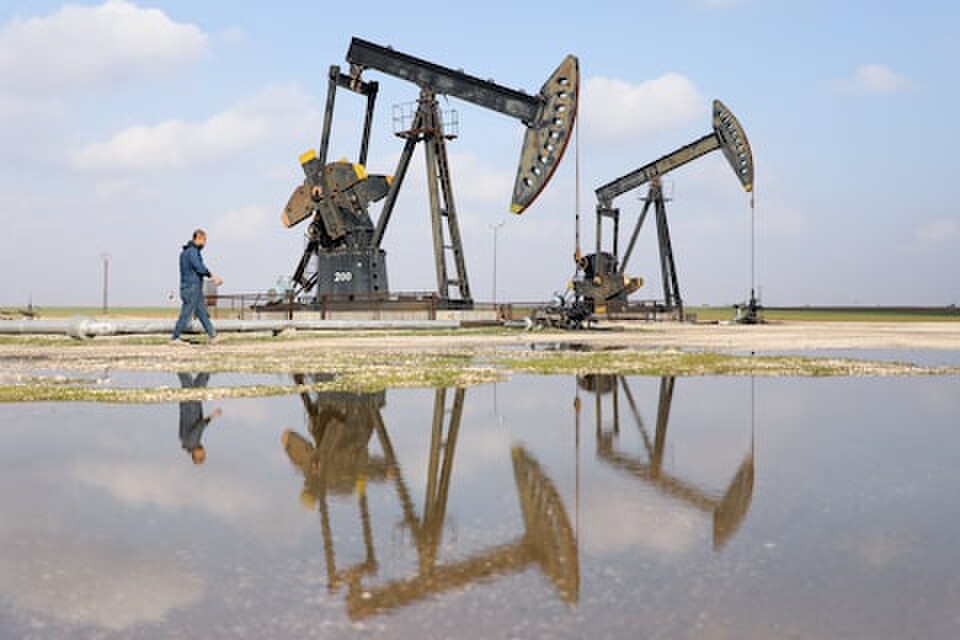
LONDON: Oil prices edged higher on Thursday after earlier losses, as persistent geopolitical tensions in the Middle East and Russia offset pressure from rising crude output.
Brent futures were up 65 cents at $93.40 a barrel at 1425 GMT. US West Texas Intermediate crude was up 1 cent to $86.54; both contracts fell more than $1 per barrel in early Asian trading. They were also headed for a weekly fall.
Prices had been trading steady to lower before President Donald Trump wrote on social media that they didn’t need a deal with Iran.
“We don’t need a deal with Iran. Those days have long since passed. We’ve got their money, Hundreds of Billions of Dollars, and we’ve got their Strait!” he wrote.
In the waterway, a key route for global oil shipments, tankers are still ablaze, oil spills are washing ashore and drones and missiles have hit infrastructure across the region.
Two oil supertankers were disabled by massive explosions after hitting naval mines after they ignored warnings against using an “unauthorised route” in the Strait of Hormuz on Wednesday night, Iran’s Revolutionary Guards Navy said on Thursday.
Trump thinks he will meet Xi and Putin at China APEC summit
“Market players are vacillating between tentative truces in Ukraine and the Middle East and the ongoing atrocities against energy infrastructure and ships,” said Tamas Varga, analyst at PVM Associates.
OPEC+ crude production rose in October, driven by higher Saudi Arabian output despite shipping disruptions through the strait.
Meanwhile, Iranian security chief Mohsen Rezaei said in televised remarks Iran would not allow a single particle of enriched nuclear material to leave the country and there would be consequences if the US launched new strikes.
Washington has said nuclear issues must be part of any initial negotiations with Iran aimed at ending the eight-month-old war, while US officials downplayed the need for further military strikes.
Elsewhere, Ukraine peace talks between Russian President Vladimir Putin and US negotiators Steve Witkoff and Jared Kushner began in the Kremlin. Witkoff said a major prisoner exchange agreed earlier this week during talks in Abu Dhabi was a sign of progress.
Market participants were also watching for official oil and products stocks data from the US Energy Information Administration, which is due on Thursday, delayed a day because of a national holiday.
Russia, Ukraine and US start second day of Abu Dhabi peace talks

Oil prices hit two-month lows as US downplays further Iran strikes

Oil slides as Trump signals restraint on Iran despite fresh shipping attacks

Oil prices rise about 2% as Yemen fighting stokes supply fears
Oil falls as diplomacy hopes outweigh Middle East escalation fears
















Comments